Annual Beaver Lake Volunteer Day Event: September 29th, 2025 Register Now

Pardon our progress! Our new website is still under construction. 🚧  If you need assistance, please contact us

Septic System Programs

Protecting Water Quality and Human Health

H2Ozarks is committed to protecting the water quality in the Ozarks. One of the most impactful ways we do this is by helping homeowners replace failing septic systems through our Septic System Grant Programs.

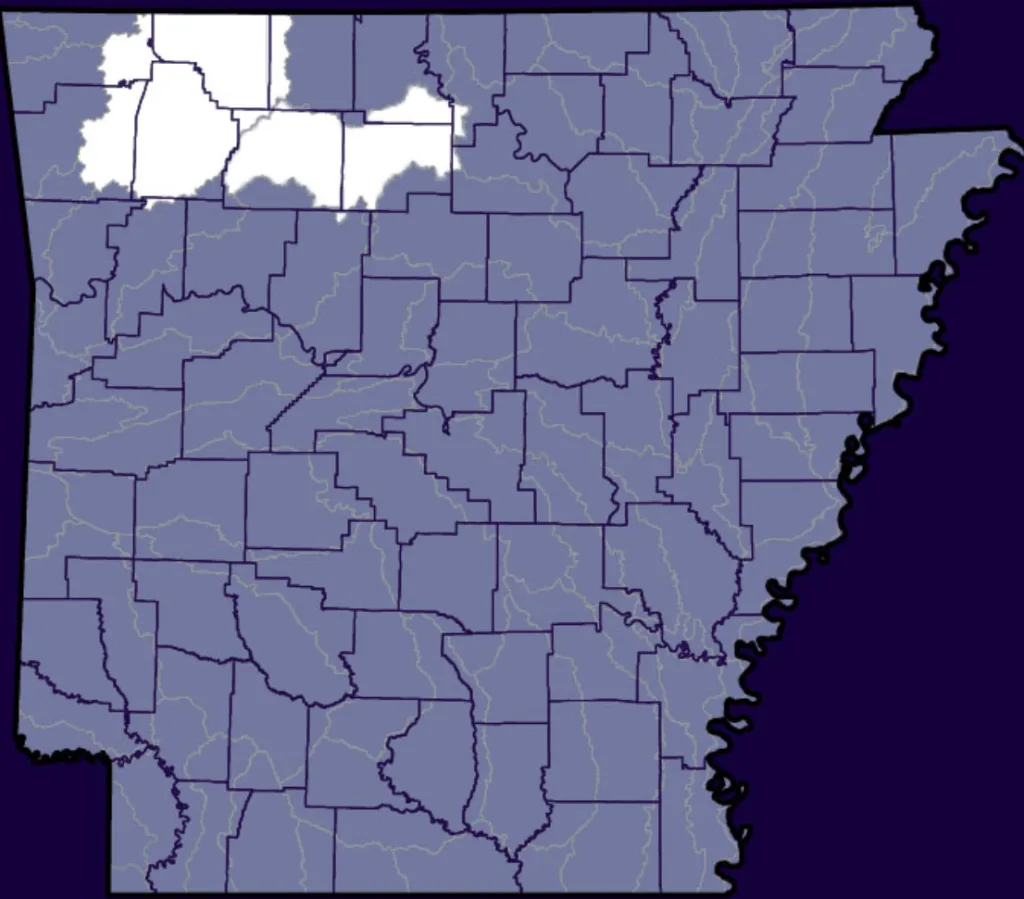
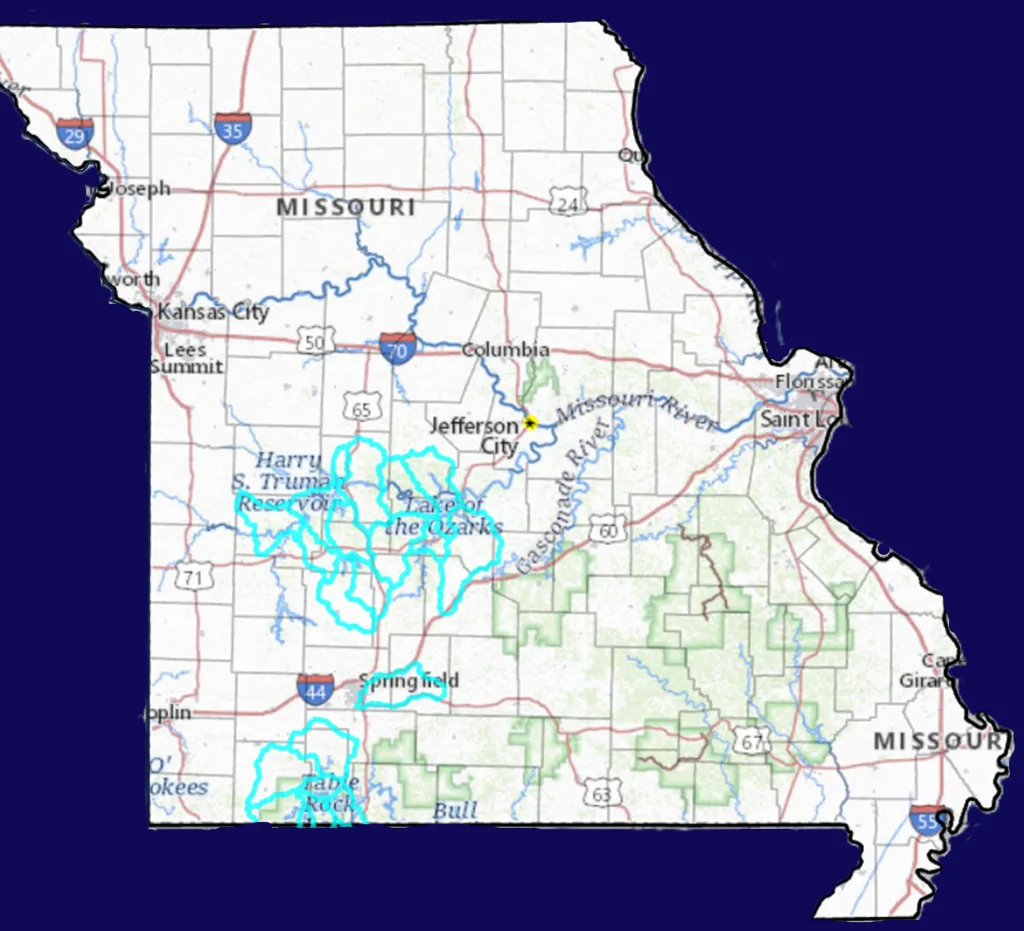
Failing septic systems can cause contamination in local waterbodies and threaten public health and safety. To ensure the safety of both our communities and our water resources, we offer financial and technical assistance to help homeowners with failing septic systems.  We operate these programs in specific watersheds in Missouri and Northern Arkansas. 

Continue reading to learn more about why these programs exist and how septic systems work, or click to see if you’re eligible for a septic grant.

Programs differ in Missouri and Arkansas. Read all program documentation for full benefits, terms, and conditions.

Common Questions about Septic Systems
What is the H2Ozarks Septic Tank Remediation Program?​

These programs provide financial and technical assistance to homeowners with a failing onsite wastewater treatment system, also called a septic system. Replacing an entire septic system can be cost prohibitive to many — through these grant-funded programs, residents can qualify for financial aid to repair or replace their failing system.

We offer these programs in specific watersheds in Missouri and Northern Arkansas. Program requirements and eligibility differ by state; please visit our program pages to learn more about your elibility. 

By partnering with homeowners, we can prevent untreated wastewater from polluting our local streams, rivers, and groundwater. This protects beloved waterbodies which are our sources of natural beauty, outdoor recreation, and economic growth through tourism. Additionally, these programs support public health, protect our drinking water sources, and benefit families and homeowners.

When septic systems fail, untreated wastewater ends up where it shouldn’t. Sewage can rise to the surface and flood your yard, or leak into the groundwater and flow to nearby waterways. In the Ozarks, this is especially serious because of our sensitive karst geology.

Karst landscapes are highly porous subsurfaces, with caves, sinkholes, and underground streams. These openings mean contaminants can flow quickly underground without being naturally filtered through soil or vegetation. These contaminants can enter our groundwater, or run into surface waterbodies like Table Rock Lake or Beaver Lake. Wastewater contamination negatively impacts everything from recreation, aquatic habitat, and safe drinking water.

We strive to ensure every homeowner with a septic system knows how their system works, and how to maintain it, and what resources are available if problems occur. Through these partnerships, we can ensure the health and safety of both our communities and our water resources. 

Cross-section illustration of a karst landscape showing sinkholes, septic tank drain fields, groundwater flow, dolomite rock, a well, and water contamination paths leading to a spring below.

Septic systems use natural processes to treat wastewater. First, wastewater from all the household’s toilets, sinks, and drains flow out of the home and into a septic tank. This tank allows solids to sink to the bottom, while grease, fats, and other scum float to the top. Bacteria and other microorganisms in the tank feed on these materials to break them down.

Next, the partially treated, liquid portion of the wastewater flows out of the tank and into the drainfield.

The drainfield is made up of rows of shallowly buried, narrow pipes with holes, or lateral lines. The wastewater is distributed across these lateral lines to disperse slowly and evenly across a drainage field. This allows the soil to naturally filter out any remaining pollutants before the water seeps back into groundwater. When functioning properly, septic systems can be highly efficient solutions for managing household waste!

However, many people don’t understand how their septic systems work or what maintenance is required to keep them functioning.

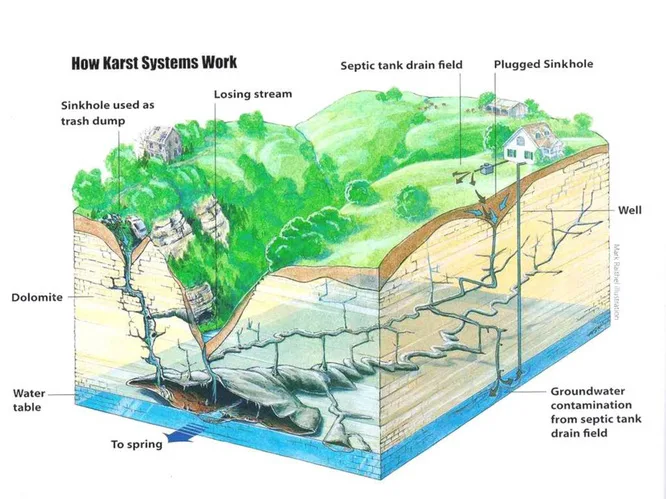
Diagram of a house with a septic system, showing wastewater flowing from the house to a septic tank, then through perforated pipes in a drain field, where soil absorbs and purifies water before it reaches groundwater.
Your home likely uses a septic system if:
  • You are on well water

  • You do not receive a monthly sewer bill

  • Your home doesn’t have a water meter

  • Your neighbors have a septic system

  • You live in a rural area

How to find your septic system:
  • Look for septic tank lids or cleanout pipes in your yard, often near the home’s foundation.

  • Check property records, such as your home’s deed, or request “as built” drawings from your county health department

  • Ask the seller or realtor

  • Consult a licensed plumber or septic service provider to locate the system

Proper maintenance of your septic system is critical to prevent backups, groundwater contamination, and expensive repairs.

  • Pump your septic tank every three to five years, depending on household size, water usage, and the tank’s capacity.
  • Conserve water to prevent overloading the system. Fixing leaks, using high-efficiency appliances, and spacing out laundry or dishwasher loads can help preserve the lifespan of your septic system.
  • Prevent harmful materials from going down your drain.  Non-biodegradable items, grease, hazardous chemicals, medications, and excessive food waste can cause clogs and disrupt the system’s function. These items should be disposed of through the appropriate waste streams. Using septic-safe products such as biodegradable soaps, detergents, and toilet paper helps maintain a healthy bacterial balance in the tank. These bacterial are critical to system health.
  • Keep the drain field clear of heavy vehicles and structures to prevent damage. Heavy structures or vehicles can compress soil and damage the lateral lines of your septic system. Mowing the area regularly can prevent deep-rooted vegetation and can aid early detection of potential leaks or failures.
  • Avoid planting trees or shrubs over the drainfield. Deep-rooted or woody vegetation can damage your lateral lines and drain field. Grasses, herbaceous plants, and shallow-rooted vegetation is best.

There are common warning signs of a failing septic system:

  • Gurgling sounds in the plumbing system
  • Slow drains from bathtubs, showers, and sinks draining slowly
  • Standing pools of water in your yard near the tank or drainfield, especially in dry weather.
A muddy patch of grass with scattered fallen leaves and a partially buried, rusted blue metal lid on the left side.
Pooling water over your tank is a sign your system might be malfunctioning
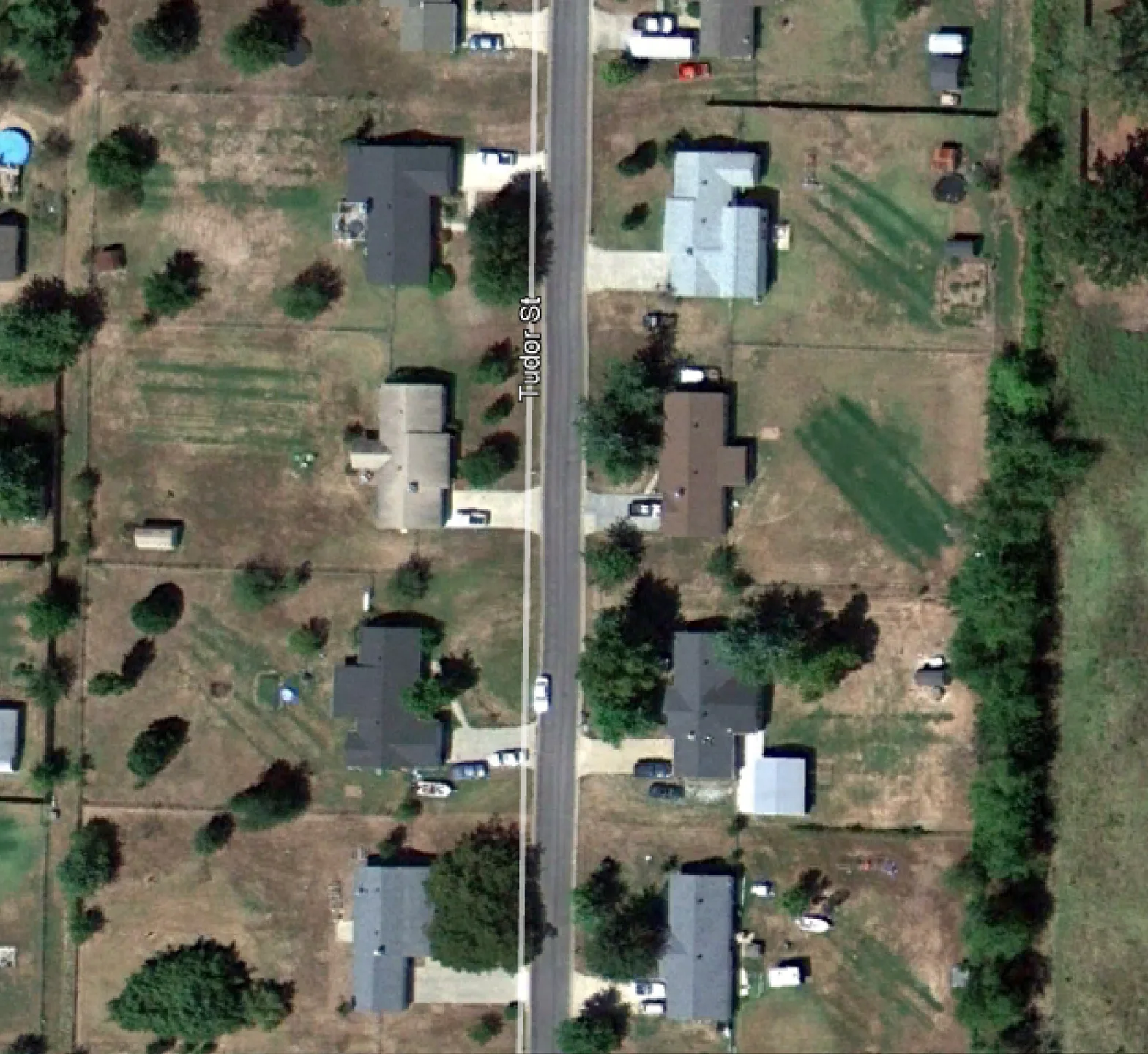
  • Unusually lush, bright green grass that is spongy growing over the tank or drainfield, especially in dry weather.
Aerial view of a residential neighborhood with houses, driveways, yards, and trees on both sides of a street labeled Bridge St. Cars are parked in driveways and on the street; the area appears suburban and spacious.
These green stripes across the neighborhood are a sign of failing lateral lines
  • Drains backing up with water and sewage
  • Sewage odors around the tank or drainfield

Nobody wants to deal with failing septic systems or hazardous sewage. If your system is failing or you’re experiencing these problems, check if you’re located in our program area, or contact us to learn more.

If you suspect your septic system is failing, immediate action can help prevent further damage:

  • Reduce water use in your home to ease the burden on the system
  • Check if your tank has been pumped out in the last 3-5 years. If it hasn’t, there may be a simple fix to restore a functioning system.
  • Check for blockages in drains and pipes; this may help identify minor issues before they escalate.
  • If standing water or soggy ground is present near the drain field, keep people and pets away from the affected area until the source of the issue is determined.
  • Contact your local health department’s Environmental Specialist to have your system declared as failing.
  • Contact a licensed septic service provider to seek guidance on necessary repairs, BUT FIRST:
  • See if you are located in one of H2Ozarks’ program areas and are eligible for a grant to help replace your failing septic system.
What is the Septic Tank Remediation Program?

Our Septic System Grant Programs provide financial assistance to eligible homeowners located in program areas who have an onsite wastewater treatment system, or septic system, that is failing. Replacing an entire septic system can be cost prohibitive to many. Through these grant-funded programs, residents can qualify for financial aid to repair or replace their system.


By partnering with homeowners, we can prevent untreated wastewater from polluting our local streams, rivers, and groundwater. This protects beloved waterbodies which are our sources of natural beauty, outdoor recreation, and economic growth through tourism. Additionally, these programs support public health, protect our drinking water sources, and benefit families and homeowners.

Diagram of a house with a septic system, showing wastewater flowing from the house to a septic tank, then through perforated pipes in a drain field, where soil absorbs and purifies water before it reaches groundwater.

Septic systems typically work by using natural processes to treat wastewater. Wastewater flows out of your home and into the septic tank, where solids sink to the bottom, and grease, fats, and other scum float to the top. Bacteria and other microorganisms feed on these materials, and then the partially treated, liquid portion of the wastewater flows out of the tank and into many narrow pipes with holes, or lateral lines, to disperse slowly and evenly across a drainage field. This allows the soil to naturally filter out any remaining pollutants before the water seeps back into groundwater.

When septic systems fail, untreated sewage can flood the field and rise to the surface, or leak into the groundwater and flow to nearby waterways. In the Ozarks, this is especially serious because of our sensitive karst geology. Karst landscapes are highly porous, with caves, sinkholes, and underground streams that allow contaminants to travel quickly underground without being naturally filtered through soil or vegetation. These contaminants can enter our groundwater, or run into surface waterbodies like Table Rock Lake or Beaver Lake. Untreated sewage can impact everything from recreation, aquatic habitat, and safe drinking water.

Cross-section illustration of a karst landscape showing sinkholes, septic tank drain fields, groundwater flow, dolomite rock, a well, and water contamination paths leading to a spring below.
Properly functioning septic systems are essential to protecting water quality in our vulnerable Ozarks region.

There are common signs you can look for in a failing septic system:

  • Gurgling sounds in the plumbing system
  • Bathtubs, showers, and sinks draining slowly
  • Standing water or damp spots over the tank or drainfield, especially in dry weather.
  • Bright green grass that is lush or spongy growing over the tank or drainfield, especially in dry weather.
  • Water and sewage from toilets, drains, and sinks backing up into the home’s plumbing
  • Sewage odors around the tank or drainfield
  • Sewage or wastewater backing up in the drains

Nobody wants to deal with failing septic systems or hazardous sewage. If your system is failing or you’re experiencing these problems, check if you’re located in our program area, or contact us to learn more.