

Springtime in the Ozarks means heavy rainfall, with April and May bringing the wettest conditions of the year. For homeowners with septic systems, those rains require them to exert a little extra diligence. Septic systems are designed to safely treat household wastewater, but when soils become saturated, they can lose their ability to absorb and percolate effluent. This can strain your system and potentially create health and safety risks for your family.
The good news is that with a few simple precautions, you can protect your system before, during, and after a storm.
Before the Rain
Preventative maintenance is the most effective way to keep your septic system resilient during heavy rain events.
- Pump your tank regularly. Having your tank pumped every 3–5 years prevents solids buildup that can overwhelm a system under stress.
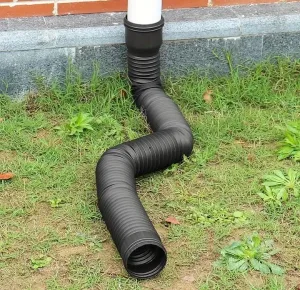
- Redirect your downspouts. Make sure gutters and downspouts direct water away from your tank and drainfield. Excess runoff pooling over these areas accelerates soil saturation.
- Improve drainage around your drainfield. Plant grasses or shallow-rooted vegetation over your drainfield to help absorb moisture and stabilize the soil. Avoid planting trees, shrubs, woody vegetation, or deep-rooted plants, which can damage the lateral lines.
During the Storm
When a significant storm is underway, reducing the demand on your system is the single most important thing you can do.
- Minimize water use. Hold off on running laundry, the dishwasher, or taking showers until after the rain has passed. Every gallon sent into an already stressed system increases the risk of backup or failure.
- Protect electrical components. If your system includes a pump, aerator, or control panel, verify that all electrical components are properly weatherproofed and protected from flooding.
- Avoid going near the drainfield. Saturated soils are easily compacted, and foot traffic from people or livestock over your drainfield during a storm can damage the lateral lines and reduce their long-term effectiveness.
After the Rain
Once the storm has passed, take a few minutes to inspect your system before returning to normal water use.
- Resume water use gradually. Even after rain stops, soils may remain saturated for a day or more. Ease back into normal household water use rather than running multiple appliances at once.
- Check your drains indoors. Gurgling sounds or slow drains inside your home can indicate that your system is still overwhelmed and needs time or professional attention.
- Inspect your drainfield and tank area. If the rest of your yard has dried out, these can be signs of system stress: soft or spongy ground, standing water, or any odors near the tank or drainfield.

What To Do If Your System Floods
If you suspect your septic system has been flooded, it is important to take action immediately to prevent further damage to your system and potential health hazards in your yard:
- Reduce all water use in the home immediately.
- Keep people and pets away from the affected area of your yard.
- Check that water is not backing up into your home through floor drains or toilets.
- Contact a licensed septic professional to inspect the system.
- More information about managing your septic system during a flood here.
Rainy weather doesn’t have to mean septic trouble. By staying proactive and knowing what to watch for, you can protect your system and your family through even the wettest spring seasons.
Experiencing Septic Issues?
H2Ozarks offers grant programs to help homeowners with failing septic systems in specific watersheds of Northern Arkansas and Southeast Missouri. If you’re experiencing common signs of a failing septic system, we encourage you to explore our programs and get in touch. Programs differ in Missouri and Arkansas. Read all program documentation for full benefits, terms, and conditions.
<a class=”elementor-button button-blue” href=”https://h2ozarks.org/septic”>Our Septic Programs</a>