- news, press release, Kings River

Think about the last time you watched it rain. Where did the water go? Did you watch it soak into your yard? Did it drain off a parking lot? Did you see it rushing along the curb toward a storm drain? How that water moves and what it picks up along the way matters more than you might think.
When rain falls on forests, fields, and other natural areas, much of it can soak into the ground or move slowly across the landscape. But in developed areas, rainfall behaves differently.
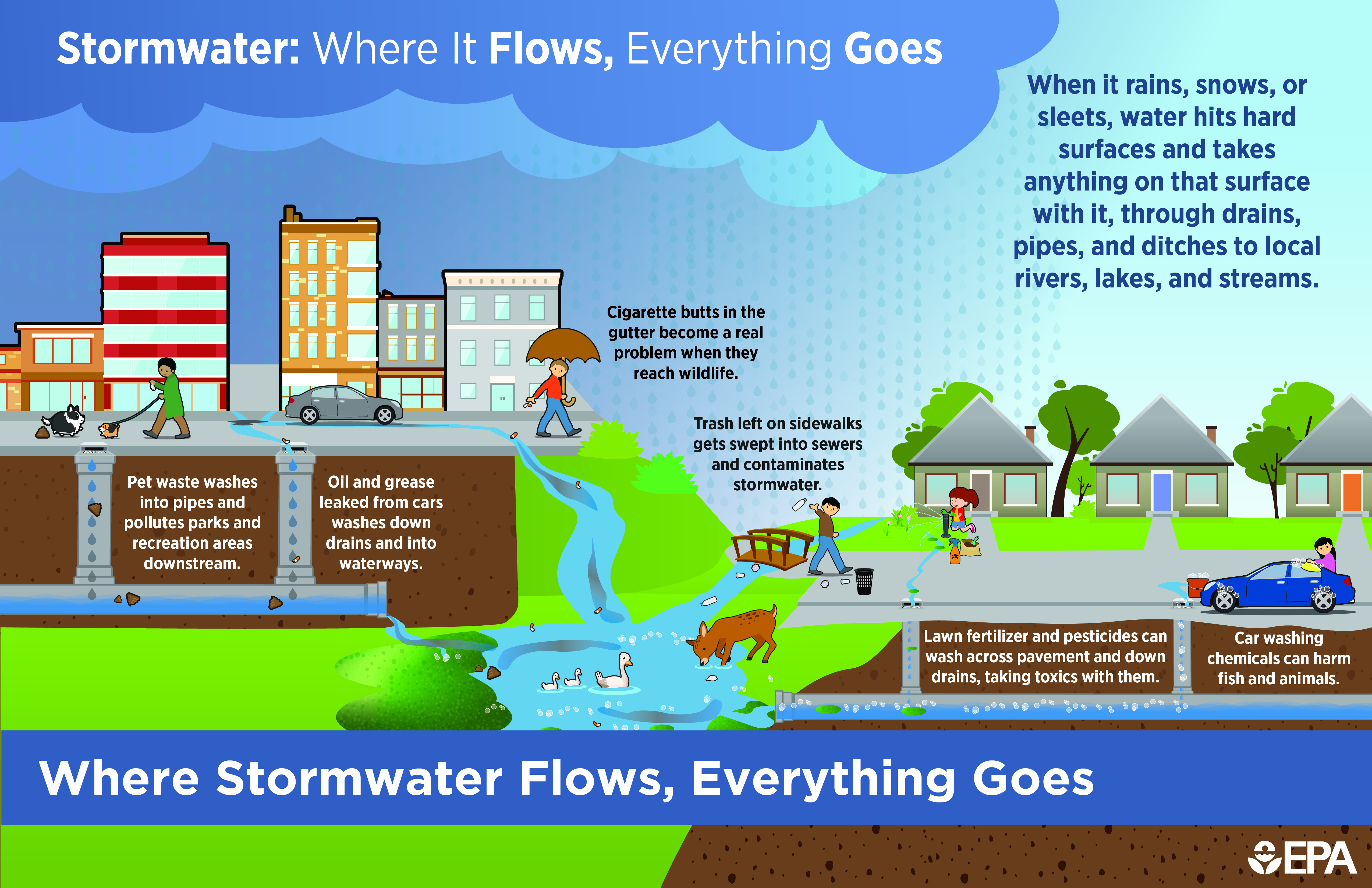
Parking lots, rooftops, sidewalks, and roads are impervious surfaces, meaning water cannot pass through them. Instead of soaking into the landscape, rain flows across these surfaces as stormwater runoff. Traditional stormwater systems often use pipes, drains, and ditches to move that water away from homes, businesses, and roads as quickly as possible.
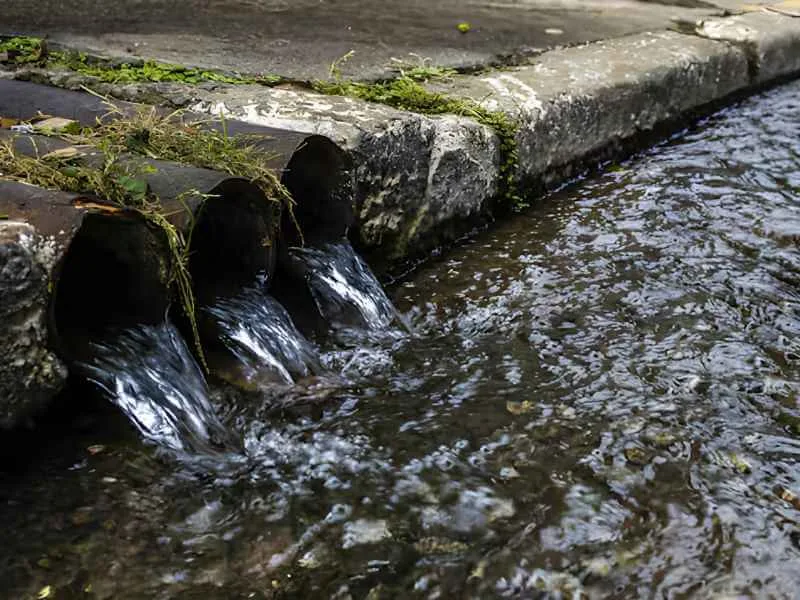
While these systems can be important to prevent flooding, moving large amounts of water quickly can create other challenges.
As stormwater moves across developed areas, it can pick up litter, nutrients, sediment, and other pollutants along the way. Unlike wastewater from our homes, stormwater is generally not treated before it reaches local creeks, streams, and lakes. That means anything caught in that water will eventually end up in our beloved waterbodies like Beaver Lake, the Kings River, or Table Rock Lake. Fast-moving runoff can also erode streambanks, which removes valuable land from property owners, dumps more sediment in the water, and damages aquatic habitat. In 2024, Arkansas Game and Fish professionals estimated that over 19,000 tons of sediment erode from the banks of the Kings River every year, which harms fish, water quality, and landowners.
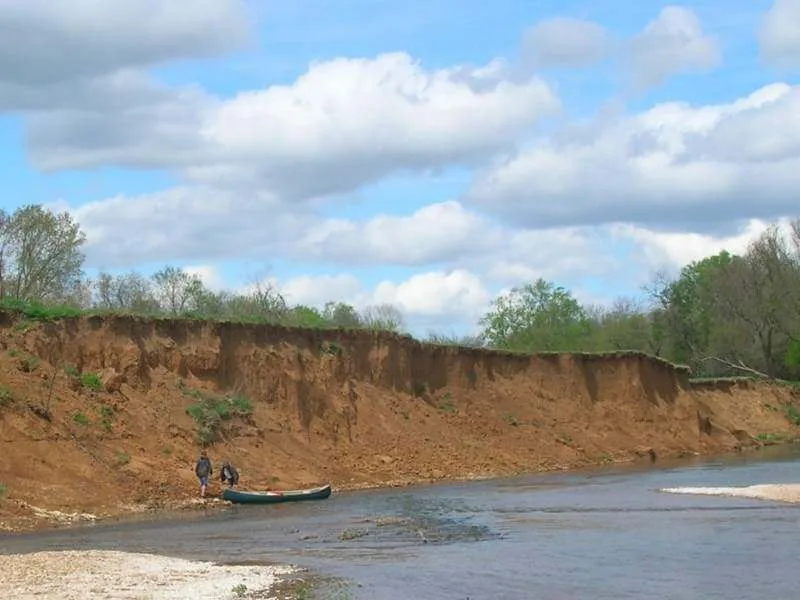
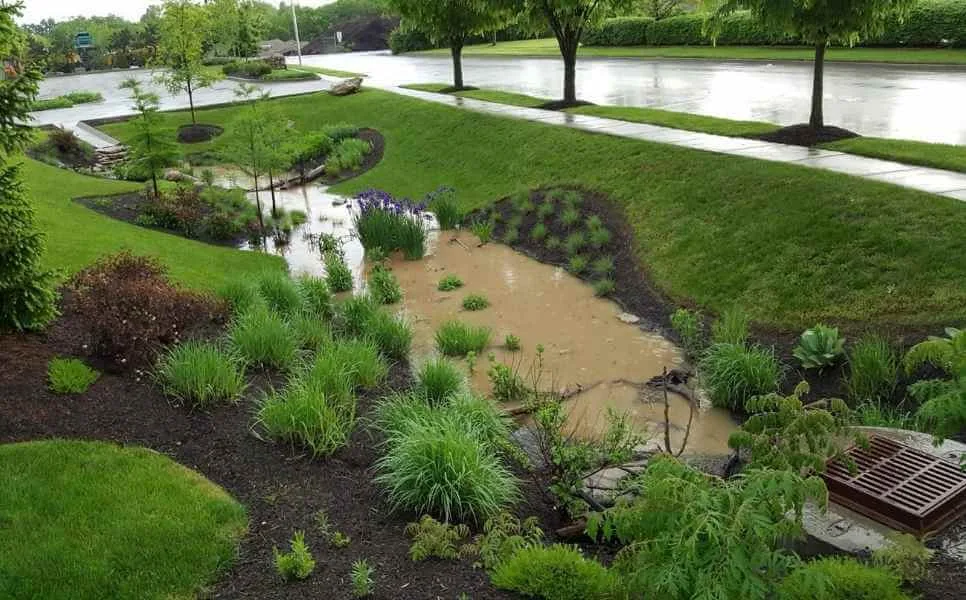
This is where Low Impact Development, or LID, can address multiple challenges at once. LID is a design approach that mimics natural processes to manage stormwater closer to where it falls. Nature already has tools to manage stormwater, and we can incorporate these features into our towns and cities! Instead of relying only on pipes and drains to carry water away, LID uses features such as rain gardens, native plantings, and strategically designed ponds and infiltration areas to capture and manage stormwater onsite. LID can improve stormwater management, create natural spaces in our built environment, and protect land, water, and our neighbors downstream.
Rather than immediately sending stormwater downstream, LID features can temporarily capture and hold rainwater. Giving that water more time onsite reduces the amount rushing into nearby creeks and streams all at once.
Instead of concentrating runoff into a pipe or drainage channel, LID can distribute water across planted areas. This allows stormwater to interact with vegetation and soil over a larger area.
Soil and plants provide natural filtration. As stormwater moves through planted areas and into the ground, soil can trap some pollutants while plants take up nutrients. This allows more water to soak into the landscape rather than immediately becoming runoff.
Together, these three steps lead to efficient stormwater management and improved water quality.
One inch of rain on a 1,000 square-foot roof creates roughly 623 gallons of runoff. LID features can be large projects when built at scale, but small improvements at home also make a difference!
Find out how much runoff your home creates using the EPA National Stormwater Calculator.
Point downspouts toward your lawn or garden beds instead of the driveway or street so water can soak in.
Collect rooftop runoff to water your garden later, which reduces both runoff and tap water use.
A rain garden is a shallow, bowl-shaped planted area that collects runoff from roofs, driveways, and other hard surfaces. It is filled with deep-rooted native plants that help water soak in, while trapping sediment and supporting pollinators. Water should soak in within a few days, so it won’t become a mosquito breeding ground. Place rain gardens at least 10 feet away from your home’s foundation and avoid steep slopes, septic fields, and underground utilities. You can find a list of native plants for rain gardens here.
Small changes like these add up across a neighborhood to protect our homes, neighbors, and the creeks and lakes downstream.
This winter, we’re bringing these ideas from concepts to something the community can see firsthand!
H2Ozarks is currently working with the newly opened Berryville Public Library to install Low Impact Development features across its roughly 2.5-acre property. The installation will include rain gardens, native plant beds, and a detention pond, with groundbreaking planned for December 2026. The library project is designed both to manage stormwater onsite and to demonstrate LID in a highly visible public space. The site will help protect water quality in Osage Creek and the Kings River while giving community members an opportunity to see these practices at work.
This demonstration site is important because stormwater is not just a challenge for large cities. Every rooftop, parking lot, road, and other impervious surface impacts the way rain moves through a watershed. Berryville is just one of many rapidly growing communities in Northwest Arkansas and Southwest Missouri, and thoughtful design can help us manage that water while protecting our streams, rivers, and lakes downstream.
The Berryville Public Library project will offer a practical example of what intentional design can look like. Visitors will be able to see how landscaping and infrastructure can work together, turning rainfall from something that simply needs to be moved away into a resource that can be effectively managed onsite. This is a community-centered project, and we’ll be hosting volunteer planting events so everyone can be a part of creating solutions together!
This is the idea behind Low Impact Development: working with the natural landscape to build infrastructure that protects communities and the water that connects them.
Learn more about the Berryville Public Library LID project here.